The 2026 Long Island Natural History Conference will be held on February 27 at Stony Brook University. Click for details.
2026 LI Natural History Conference
Conserving Long Island Wildlife
The 2026 Long Island Natural History Conference will be held on February 27 at Stony Brook University. Click for details.
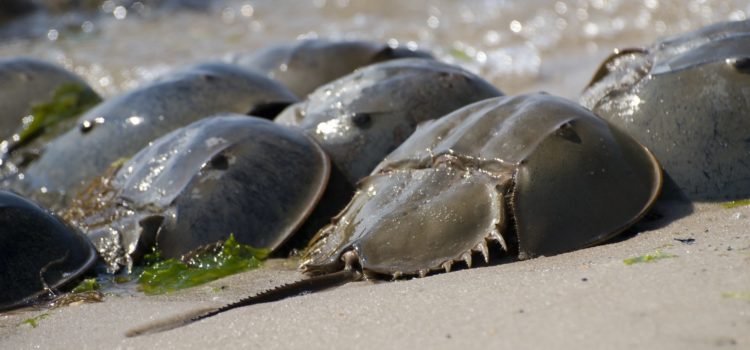
The horseshoe crab (Limulus Polyphemus) has been around practically unchanged for over 450 million years, categorizing it as a “living fossil”. These fascinating creatures aren’t actually crabs at all, as they don’t fall under the subphylum “crustacea,” which includes blue crab, spider crabs and other true crabs.
The 2025 Long Island Natural History Conference will be held on March 21 at Stony Brook University. Click for details.
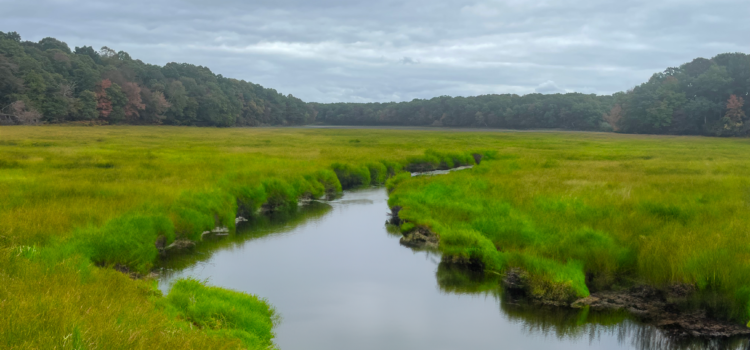
The failed Stump Pond Dam in Blydenburgh County Park presents an opportunity to restore the ecological health of the Nissequogue River.
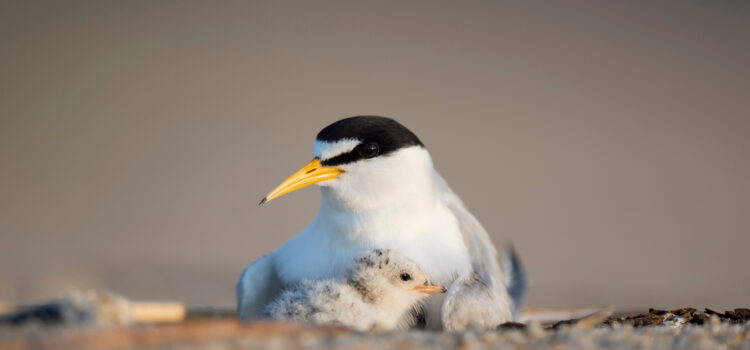
The Re-Tern Project seeks to safeguard and expand nesting sites for terns and other seabirds across Long Island.
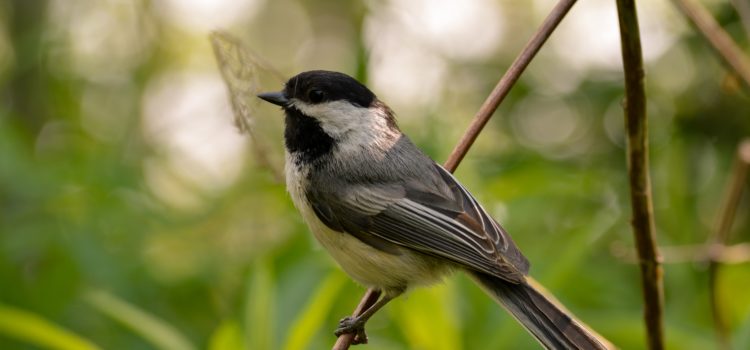
In September 2019, in a widely reported article appearing in Science magazine, researchers documented a significant decline in the overall abundance of birds in North America. Studies showed a 29% reduction birds since 1970, totaling approximately 3 billion birds. Some bird groups – such as grassland birds – have declined even more precipitously, dropping by more than half.
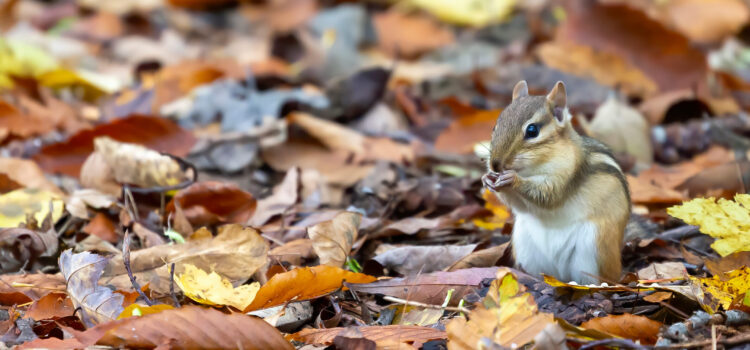
The Long Island Mammal Survey was launched in 2023 to assess populations of terrestrial and semi-aquatic mammal across Long Island.
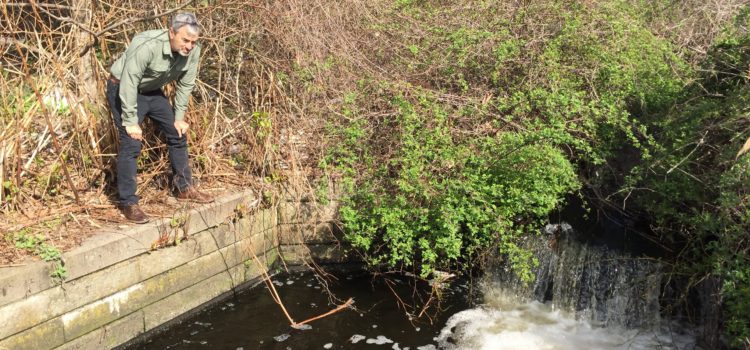
The annual Long Island Volunteer River Herring & Eel Survey is one of Long Island’s longest running community science projects.
Bat Map Long Island About Bat Map LI BatMap Long Island is a community science project that enlists bat lovers in an effort to identify important bat foraging sites and roosts across Long Island. Participants are simply asked to submit
Coyote Tracker is a community science project that engages Long Islanders in the effort to monitor the colonization of our region by Eastern Coyotes.